When Should You Book a House Survey? Before or After Your Offer Is Accepted?

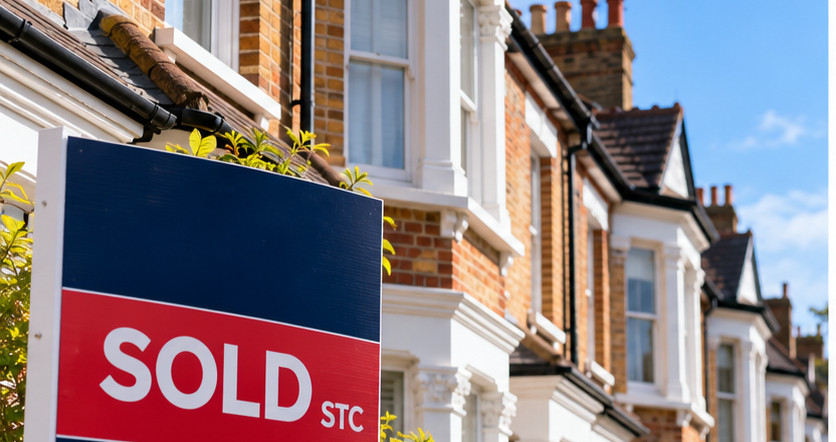
Buying a property is one of the largest financial commitments most people will make. Yet many buyers are unsure when they should arrange an independent house survey.
Should you commission a survey before making an offer, wait until your mortgage is approved, or arrange one as soon as the seller accepts your offer?
For most residential property purchases in England and Wales, the ideal time to arrange a survey is after your offer has been accepted but before you exchange contracts.
This gives you an opportunity to understand the condition of the property, investigate any significant defects and make an informed decision before becoming legally committed to the purchase.
Why Book a House Survey After Your Offer Has Been Accepted?
Once your offer has been accepted, the transaction can progress through the mortgage and conveyancing stages.
This is generally the most appropriate point to arrange an independent RICS Home Survey.
Booking early in the process provides several advantages:
You have time to understand any defects identified.
Further specialist investigations can be arranged where necessary.
Repair quotations can be obtained before exchanging contracts.
Significant findings may inform discussions about the agreed purchase price.
You can decide whether the property remains suitable for your requirements.
A survey does not simply identify problems. It should explain the significance of defects, the likely consequences of leaving them unresolved and the appropriate next steps.
Should You Wait Until Your Mortgage Is Approved?
You do not necessarily need to wait until your mortgage offer has been issued.
Many buyers instruct their surveyor while the mortgage application is being processed, allowing both processes to progress at the same time.
However, there is a financial consideration.
If the lender declines your application or the purchase falls through, you may still be responsible for the survey fee.
Some buyers prefer to wait until their mortgage arrangements are more certain, while others prioritise obtaining information about the property's condition as early as possible.
The decision depends on your individual circumstances and the progress of the transaction.
Importantly, a mortgage valuation is not a substitute for an independent house survey. A lender's valuation is primarily undertaken for lending purposes and may not provide the detailed assessment of condition that a purchaser requires.
What Happens If Your Survey Identifies Problems?
It is relatively common for a survey to identify maintenance requirements or building defects, particularly in older properties.
These could include deteriorating roof coverings, defective gutters, dampness, ageing windows, structural cracking or alterations requiring further investigation.
Not every defect represents a serious problem.
For example, localised mortar erosion may be relatively straightforward to repair, whereas substantial roof deterioration or structural movement could involve significant expenditure.
The important questions are:
What is the likely cause of the defect?
How serious is it?
What repairs or investigations are required?
What are the potential financial implications?
Does the issue need to be addressed before purchasing?
An appropriately detailed survey should help answer these questions, within the limitations of a visual inspection.
Where significant problems are identified, buyers may wish to obtain specialist advice or repair quotations before proceeding.
Can You Arrange a Survey Before Making an Offer?
Yes. Provided the seller permits access, there is generally nothing preventing a prospective purchaser from arranging a survey before submitting an offer.
However, this involves paying for an inspection before knowing whether the seller will accept your proposed purchase price.
An important exception is buying at auction.
Auction purchasers should consider obtaining appropriate professional advice and arranging a survey before bidding because the contractual commitments can arise immediately when a bid is successful.
Your solicitor should advise you about the particular auction conditions.
Which House Survey Should You Choose?
Choosing the correct survey is just as important as arranging it at the right time.
RICS Level 2 Home Survey
A RICS Level 2 Home Survey is generally suited to conventional residential properties that are in reasonable condition and have not been significantly altered.
It provides an assessment of the accessible building elements, identifies visible defects and highlights matters requiring attention or further investigation.
RICS Level 3 Building Survey
A RICS Level 3 Building Survey provides a more comprehensive assessment of the building's construction and condition.
It is particularly suitable for older houses, significantly altered or extended buildings, properties in poor condition and situations where major renovation work is being considered.
At Dunham Hale Chartered Surveyors, our Level 3 reports include practical repair recommendations and indicative repair costs where appropriate, helping buyers understand potential future expenditure.
The correct survey depends on the property's construction, age, condition and complexity rather than simply its asking price.
Why Does an Independent Survey Matter?
A property may appear attractive during a viewing while containing defects that are not immediately obvious.
Fresh decoration, modern kitchens and recently refurbished bathrooms do not necessarily reflect the condition of the roof, structure, drainage or concealed building elements.
A survey provides an independent professional assessment and helps buyers better understand the building they are purchasing.
It also identifies limitations where parts of the property could not be inspected. No standard visual survey can guarantee that every concealed defect will be discovered.
Ready to Arrange Your House Survey?
If your offer has been accepted, arranging an independent RICS survey is an important step before exchanging contracts.
Dunham Hale Chartered Surveyors provides independent property surveys with clear, practical advice designed to help buyers understand their prospective home.
For conventional properties in reasonable condition, explore our RICS Level 2 Home Surveys.
If you're purchasing an older, extended or more complex building, our Level 3 Building Surveys provide a more detailed assessment.
We undertake residential surveys across London, Greater Manchester, Cheshire and other areas within our coverage.
Make an Informed Decision Before You Exchange
Discovering a significant property defect before exchanging contracts gives you the opportunity to investigate the issue and consider its implications.
Whether you are buying your first home, moving to a larger property or purchasing an older building, arranging the right survey at the right stage can help you proceed with greater confidence.
For further guidance, read our related article Level 2 vs Level 3 Building Surveys: Which Do You Need? to understand which inspection may be most appropriate for your purchase.


Comments